
The Role of Cholesterol Screening in Preventing He art Disease
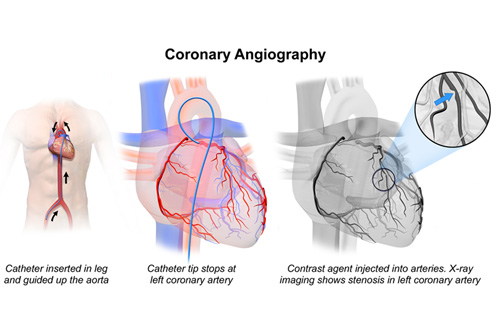
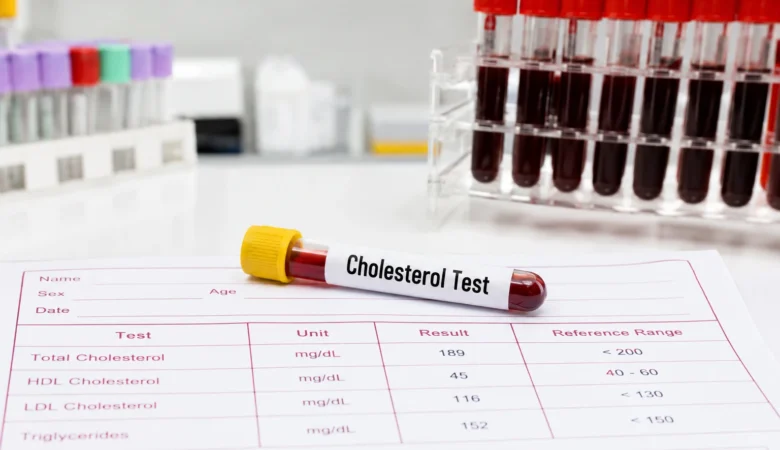
Heart disease remains one of the leading causes of death worldwide, and in most cases, it develops silently over years before any symptoms appear. One of the simplest, most cost-effective tools to catch this risk early is cholesterol screening. Despite its importance, many people skip this basic test until a health scare forces them to act. This blog explains what cholesterol screening involves, why it matters, who should get tested, and how early detection can help you avoid serious cardiac events down the road. What Is Cholesterol and Why Does It Matter? Cholesterol is a waxy, fat-like substance found in your blood. Your body needs some cholesterol to build healthy cells, but too much of the wrong type can lead to fatty deposits building up in your arteries. Over time, these deposits narrow the arteries, restrict blood flow, and increase the risk of heart attack or stroke. There are two main types to understand: LDL (Low-Density Lipoprotein)– often called “bad” cholesterol because high levels contribute to plaque buildup in arteries. HDL (High-Density Lipoprotein)– known as “good” cholesterol because it helps remove excess cholesterol from the bloodstream. A third component, triglycerides, is also measured during screening and adds to the overall risk profile when elevated. What Is Cholesterol Screening? Cholesterol screening, commonly done through a lipid profile blood test, measures the levels of total cholesterol, LDL, HDL, and triglycerides in your blood. It is typically done after a 9-12 hour fast, though some newer tests allow non-fasting samples. The results give your doctor a clear picture of your cardiovascular risk and help determine whether lifestyle changes, medication, or further cardiac evaluation is needed. Why Cholesterol Screening Is Critical for Heart Disease Prevention 1. It Detects Silent Risk Early High cholesterol usually has no symptoms. Many people feel completely healthy while plaque is quietly building up inside their arteries. Regular screening is the only reliable way to catch this before it becomes a medical emergency. 2. It Guides Personalized Treatment Not everyone with high cholesterol needs the same treatment. Screening results, combined with your age, family history, blood pressure, and lifestyle, help your doctor design a plan that’s right for you, whether that means dietary changes, exercise, or medication. 3. It Helps Track Progress Over Time If you’ve already been diagnosed with high cholesterol or are on treatment, periodic screening shows whether your current plan is working, so adjustments can be made before complications develop. 4. It Supports Early Intervention When cholesterol levels are caught early, many patients can manage their risk through lifestyle changes alone, avoiding the need for more invasive procedures later. Who Should Get Screened? General guidelines recommend cholesterol screening for: Adults aged 20 and above, at least once every 4-6 years Individuals with a family history of heart disease or high cholesterol People with diabetes, high blood pressure, or obesity Smokers and those with a sedentary lifestyle Anyone experiencing unexplained fatigue, chest discomfort, or shortness of breath Adults over 40, who should consider annual screening depending on risk factors If you fall into any of these categories, don’t wait for symptoms. Early testing is far easier to manage than a cardiac emergency. What Happens If Your Cholesterol Is High? If your screening reveals elevated LDL or triglycerides, your doctor may recommend: Dietary changes (reducing saturated fats, increasing fiber intake) Regular physical activity Weight management Cholesterol-lowering medications such as statins, if lifestyle changes aren’t enough Follow-up testing to monitor progress In more advanced cases, where arterial blockage is suspected, your doctor may recommend additional cardiac diagnostics, including an ECG, echocardiogram, or angiography, to assess the extent of the risk. The Connection Between Cholesterol and Heart Disease Elevated LDL cholesterol is directly linked to atherosclerosis, the hardening and narrowing of arteries due to plaque buildup. This condition is a major precursor to: Coronary artery disease Heart attacks Stroke Peripheral artery disease By catching high cholesterol early through screening, patients can significantly reduce their long-term risk of these serious, often life-threatening conditions. Why Choose Expert Cardiac Care for Cholesterol Management Cholesterol management isn’t a one-size-fits-all process. It requires accurate testing, correct interpretation of results, and a treatment plan tailored to your overall cardiac health. This is where consulting an experienced cardiologist makes a real difference. At Hridaymitra Cardiac Clinic, patients receive comprehensive cholesterol screening along with detailed cardiac risk assessment under the guidance of Dr. Rahul Sawant, known as the Best Cardiologist in Pune for his patient-focused, evidence-based approach to heart care. As an experienced Interventional Cardiologist in Pune, Dr. Sawant doesn’t just look at your cholesterol numbers in isolation. He evaluates your complete cardiac risk profile, including blood pressure, blood sugar, family history, and lifestyle factors, to build a prevention plan designed specifically for you. For patients searching for a trusted heart specialist pune, the clinic offers a calm, thorough consultation experience where every question is answered and every test result is explained in plain language, not just medical jargon. As a well-established heart clinic In Pune, Hridaymitra Cardiac Clinic combines modern diagnostic technology with a genuinely caring approach to patient care. Whether you need a routine lipid profile or a more detailed cardiac workup, the clinic is equipped to guide you through every step. For patients requiring advanced diagnostic or interventional procedures, the facility also functions as a reliable Cardiac Catheterization clinic in pune, offering access to advanced diagnostic and treatment options without the need to travel to multiple centers. If you’re searching for the best heart doctor in pune to help you understand and manage your cholesterol levels before they become a bigger problem, Dr. Sawant’s clinic is a trusted choice for families across the city. Simple Lifestyle Tips to Support Healthy Cholesterol While screening tells you where you stand, daily habits determine where you’re headed. Consider these steps alongside regular testing: Eat heart-healthy fats– Choose olive oil, nuts, and fatty fish over fried and processed foods. Increase fiber intake– Oats, beans, and vegetables help lower LDL naturally. Stay active– Aim for at least 150 minutes of moderate exercise